May 25, 1776

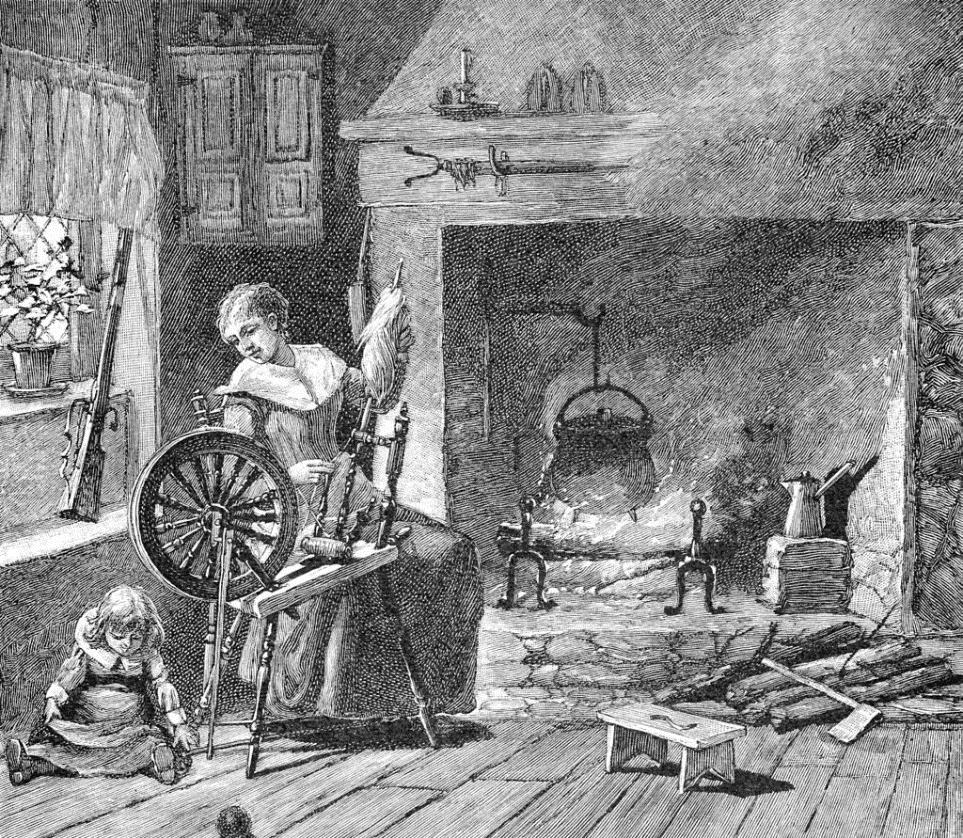
The British saw all their colonies as sources of raw materials (cotton from India; sugar from the West Indies; furs, indigo and wood from the Americas) to be shipped to England and turned into finished products in British factories. Thus, when American colonists began boycotting British goods in response to the Intolerable Acts of the 1760s, American women showed their patriotism by making their own fabrics. “Homespun” became an act of resistance.

Out of necessity, the homespun clothing of the period was plain (ribbons, lace and fine fabrics could not be imported) and crafted so that each finished piece could be taken apart and restitched when fashions changed or when an elbow or knee wore out. Dressing to show one’s status, as was common in Europe, became distinctly out-of-favor in the colonies.  In 1769, the Virginia Gazette noted with admiration that over 100 women at a recent Richmond ball had worn homespun gowns.

John Adams wrote that “Silks and Velvets and Lace must be dispensed with [as] Trifles in a Contest for Liberty.” The Continental Association of 1774 declared that wool was the best republican material; after all, it was practical, non-fussy, and sheep were abundant. That gave rise to spinning bees, where colonial women would gather to socialize while spinning wool into yarn, often competing to see who could produce the most. 

“Linsey-woolsey” was another common and important fabric in the colonies, involving the tedious and tremendously time-consuming process of turning flax into threads that could be woven with wool to produce a sturdy and plain all-American length of cloth. 

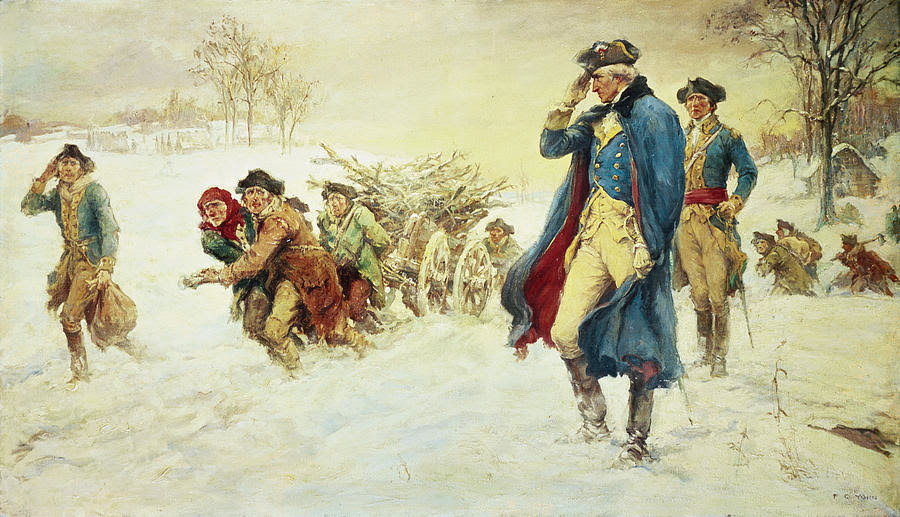
Even after the war ended, people continued wearing homespun as a show of republican simplicity. In fact, George Washington pointedly wore a homespun suit for his first inauguration… made with wool from a Connecticut mill.  He asked a friend “to procure me homespun broad cloth, of the Hartford fabric, to make a suit of cloaths for myself. I hope it will not be a great while, before it will be unfashionable for a gentleman to appear in any other dress. Indeed we have already been to long subject to British prejudices.”

Sources:

DirtyBlueShirts.com

“The Hands that Spun the Revolution,” by Jennifer Gonzalez

Fashion Archives and Museum of Shippensburg University

The White House Historical Association

Engraving in A Brief History of the United States. 1885. Joel Dorman Steele.

May 22, 1776

The Continental Congress opened in Philadelphia on Wednesday, May 22nd with a review of a privateering issue involving the sale (without Congress’approval) of the sloop Sally. They then proceeded to address a host of other military matters ranging from supplying the army in Canada to fortifying the Hudson River. And, of course, the continuing problem of finding hard currency to fund these military needs was once again discussed.

But by mid-May, the political landscape was shifting in Philadelphia as sides were drawn between the radical factions (those seeking complete independence) and the moderate factions (those still believing that reconciliation with the Mother Country was possible) with both sides jockeying for influence and control of this historic moment. So, while their focus this day was on military matters, this ongoing political debate lurked in the background, always present in the minds of the delegates.

Earlier this month, on May 15th, “Virginia’s Fifth Revolutionary Convention  instructed its delegates in the Continental Congress to propose American independence.” (McMillan, pg. 113)

“Speaking on behalf of all the colonies, Virginia resolved that the delegates appointed to represent this colony in General Congress (Continental) be instructed to propose to that respectable body to declare the United Colonies free and independent states, absolved from all allegiance to, or dependence upon, the Crown or Parliament of Great Britain.” (McMillan, pg. 108)

Although this represented a seismic change, with Virginia being the most powerful colony, Congress still remained focused on matters of war as more reports of British troop movements and intended use of hired foreign troops poured into Philadelphia. Within days, General Washington would arrive in the city to meet with members of the Continental Congress. 

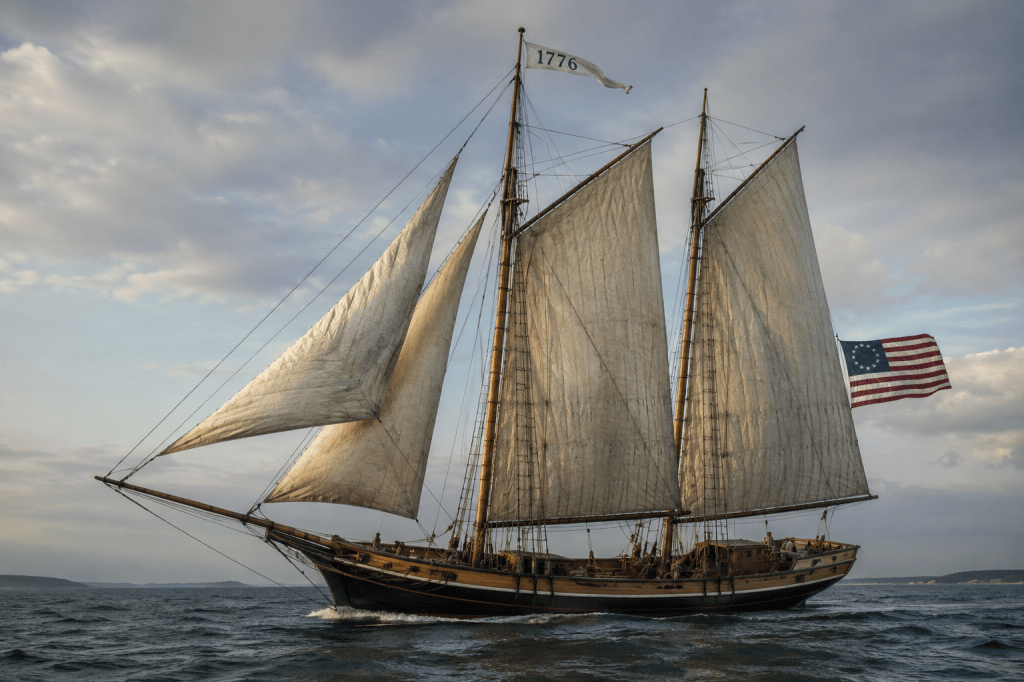
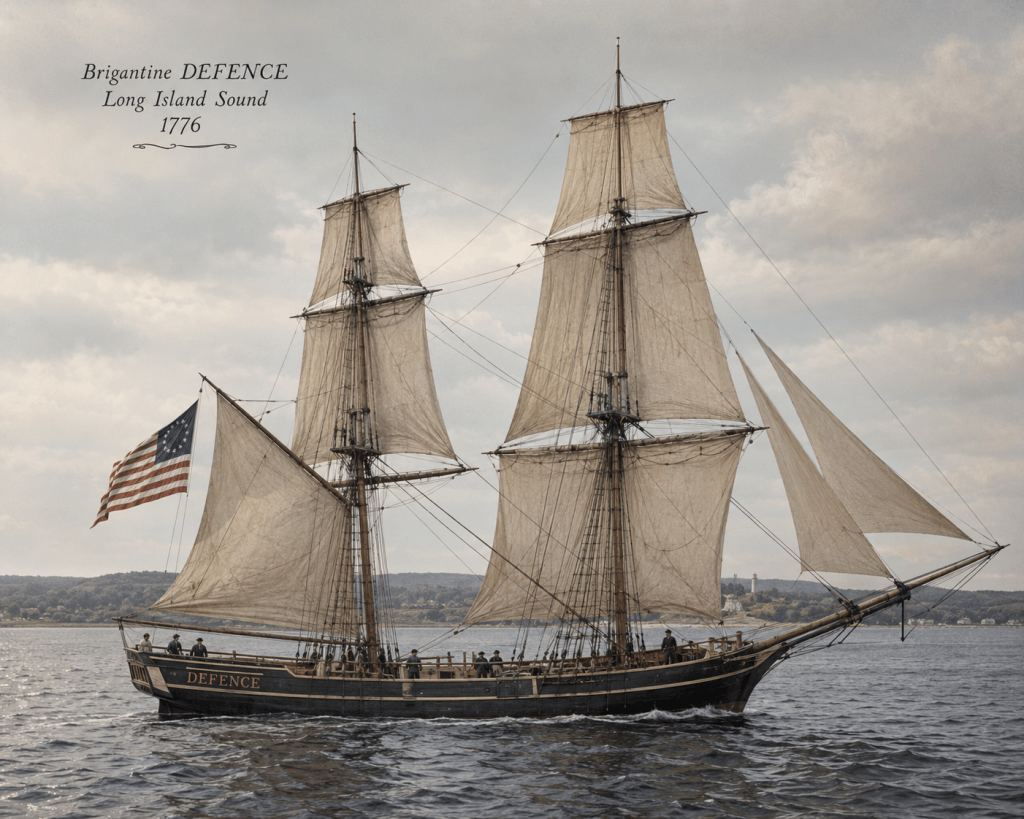
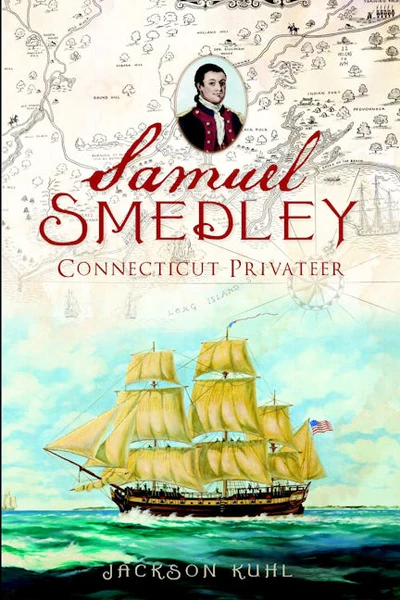
Meanwhile, back in Black Rock on this same day, military matters were being pursued as well. According to Joseph Knapp, of Stratford, “this night the brig Defense sailed from Black Rock Harbor to the eastward”.   Patricia Q Wall writes in her book, “the Defense was sailing under orders from Governor Trumbull…to intercept and arrest Tories escaping to join British forces or seeking to join Long Island cohorts in plotting raids against Connecticut.” (Wall, pp. 50-51). In a very short period of time, the Defense, at this point under the command of Seth Harding, would be commanded by young Samuel Smedley, a Fairfield resident who spent much of his childhood in and around Black Rock Harbor.

So, as the political tide was clearly turning in Philadelphia, the reality of war continued to consume the efforts of leaders from Hartford to Philadelphia. But there can be no doubt that also consuming the minds of these leaders was the looming question of complete separation from the Mother Country as more and more calls for independence were heard and these leaders were quickly reaching the point of no return. 

Colonial WIlliamsburg

Of Life & The American Revolution- The Journals of Joseph Knapp of Stratford, Connecticut 1761-1808  Wall, Patricia Q  , The Stratford Historical Society, Stratford, CT 06615

The Year that Made America  McMillan,Tom Lyons Press, Essex CT. 2025

May 17-19, 1776

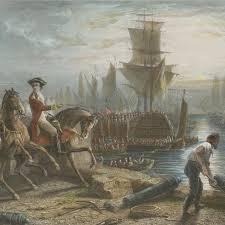
In mid-May 1776, Boston Harbor was the site of two notable skirmishes between colonial privateers and the departing British fleet. These actions occurred two months after the British evacuation of Boston but while the Royal Navy still maintained a presence in the harbor’s outer waters.


The Capture of the Hope (May 17, 1776)
On May 17, Captain James Mugford of the colonial armed schooner Franklin captured the British transport ship Hope without a fight. The Hope had sailed from Ireland and was unaware that the British had abandoned Boston. It carried a highly valuable cargo, including roughly 1,500 barrels of gunpowder and an assortment of military stores desperately needed by the Continental Army.

The Battle of Shirley Gut (May 19, 1776)
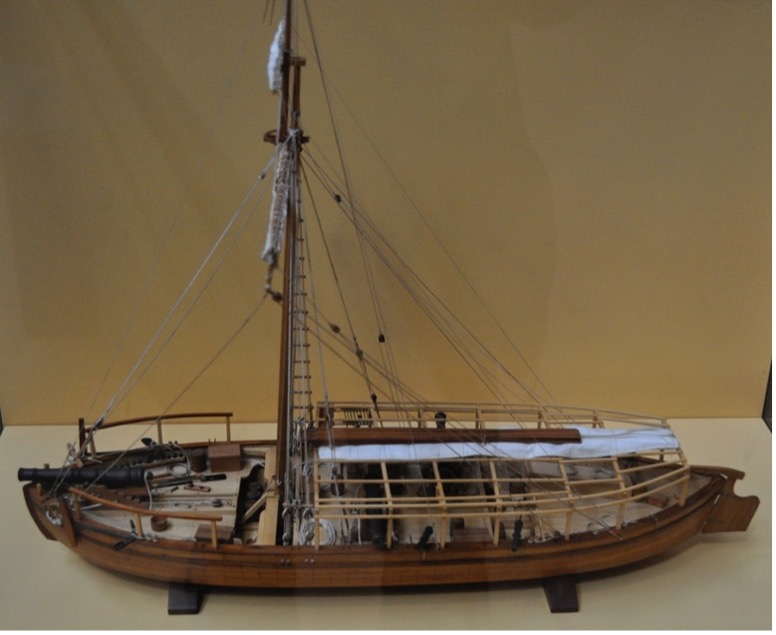
Two days later, on May 19, the Franklin and another colonial vessel, the Lady Washington, became grounded in the tidal flats near Deer Island and Shirley Gut (between Winthrop and Point Shirley). British naval forces from a man-of-war ship anchored nearby launched an attack using 12 to 13 boats filled with armed men.

Despite being heavily outnumbered, the combined American crews repelled the British attack, sinking several of the enemy boats and killing a number of British sailors. However, Captain Mugford was mortally wounded during the hand-to-hand combat. His crew successfully defended the ships, and the Franklin floated free the next morning, carrying Mugford’s body back to Marblehead.

Source:nps.gov

May 14, 1776

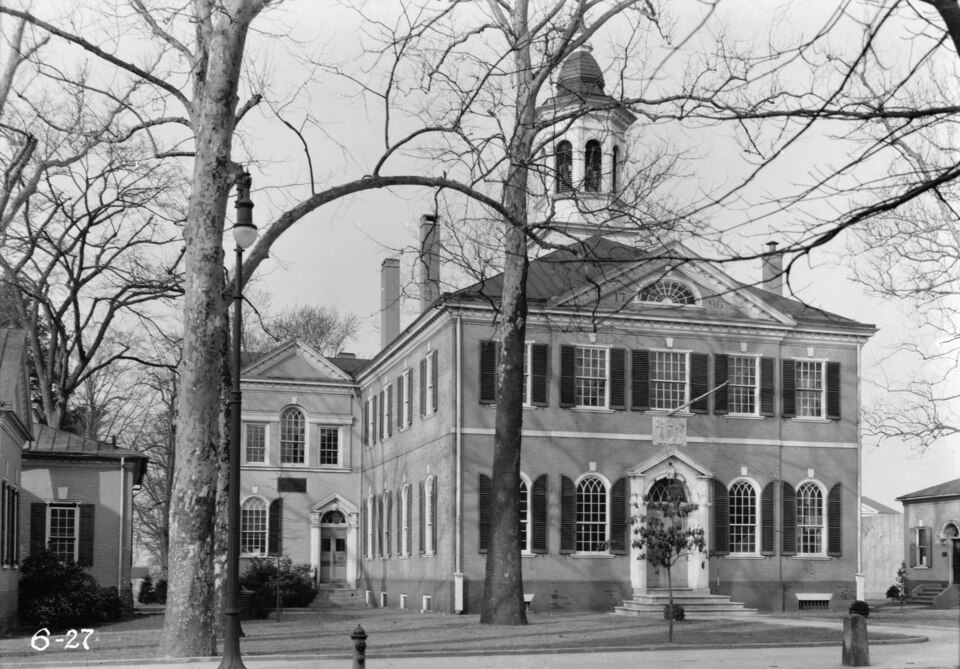
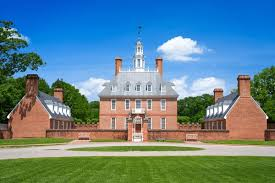
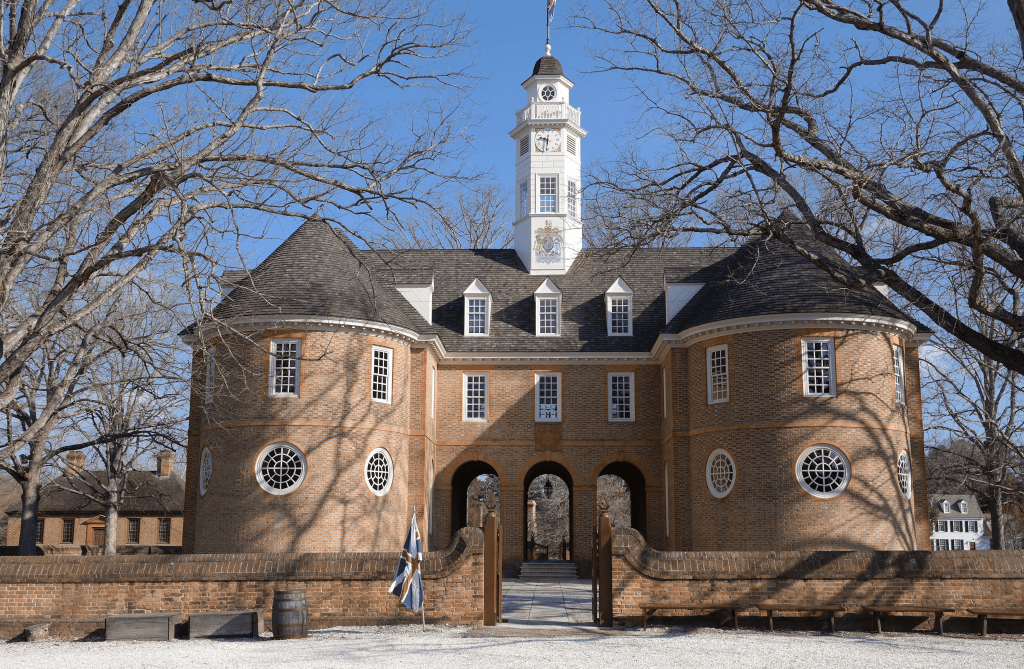
On this date, the Fifth Virginia Revolutionary Convention met at the Capitol in Williamsburg and began debate on independence from the Crown. Although some delegates questioned whether the colonies should first secure foreign alliances before declaring independence, the growing demand for liberty and self-government will ultimately prevail. By formally directing its delegates to advocate for independence,

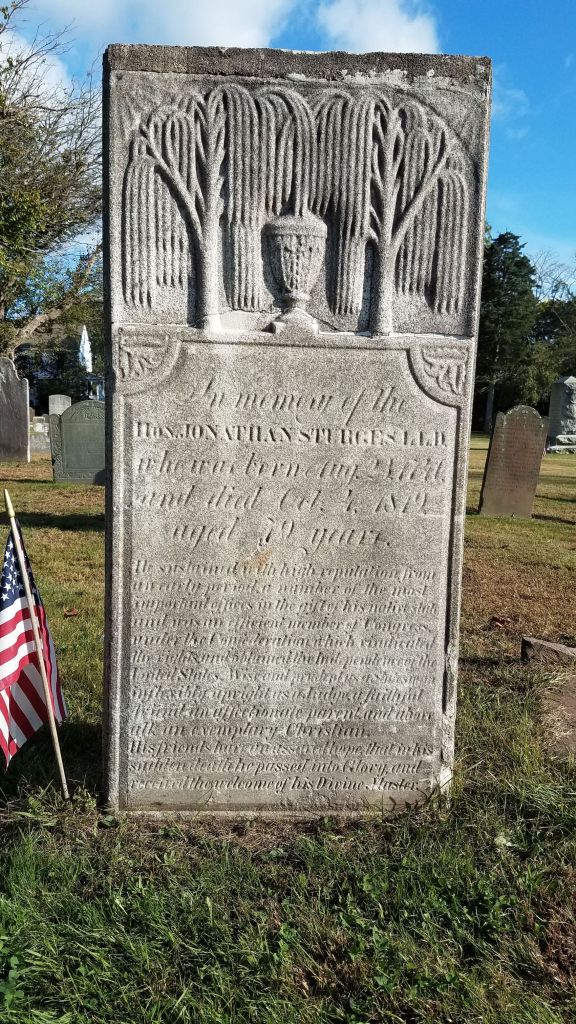
Meanwhile, with rumors of a growing loyalist plot taking hold in New York, Fairfield attorney, Connecticut House of Representatives member and patriot Jonathan Sturges sent a letter to George Washington warning that local militia had captured several men aboard a small sloop who confessed they were bound for Long Island to join British forces.

Capitol in Williamsburg, VA
Resting Place of Rep. Jonathan Sturges

Sources:

https://www.lva.virginia.gov/collections/educator-resources/online-classroom/stc/entries/fifth-virginia-revolutionary-convention-called-for-independence-may-15-1776

https://www.washingtonexaminer.com/opinion/4568168/on-this-day-the-american-defense-is-stretched-thin/

https://www.fairfieldhistory.org/fairfield-museum-exhibitions-commemorating-the-250th-anniversary-of-the-declaration-of-independence/

May 8, 1776

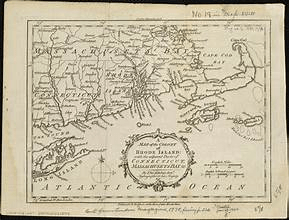
Momentum toward a complete separation from the British Crown was moving swiftly by the beginning of May quickly leaving behind any thoughts of reconciliation with the Mother Country. A few days before this date, Rhode Island, originally settled by fiercely independent refugees from Massachusetts Bay, boldly declared its own independence from Great Britain.

“The colony’s general assembly passed a resolution charging King George III with forgetting his dignity and entirely departing from the duties and character of a good king…endeavoring to destroy the good people of the colony, and of all the United Colonies, by sending fleets and armies to America”. (McMillan, pg 107)

And on this day in 1776, “Richard Henry Lee, the great statesman from Virginia, received alarming news that thousands of foreign mercenaries were heading to America to reinforce the British army… including Hessians, Hanoverians and Scotch Hollanders” (McMillan, pg 107)

Within days, eight of the thirteen colonies had pledged their support for pursuing independence. Though there were still five colonies that were withholding outright support for this cause, by the middle of May, the tide was clearly moving in the direction of independence.

A local reflection of this shift could be seen in the town of Fairfield where tolerance for loyalists (those who wished to remain loyal to the crown) was clearly waning as the patriot cause was growing (Connecticut was one of those eight colonies pledging support for independence). “In May of 1776, Benjamin Huntington informed his wife that thirty-nine loyalists were currently imprisoned in the Fairfield jail”. (Farnham, pg. 82)

A few years later, in 1779, Fairfield would pay a very high price for their support of independence at the hands of General Tryon and British and Hessian troops.

The Year that Made America McMillan,Tom Lyons Press, Essex CT. 2025

Fairfield- the Biography of a Community 1639 -1989 Farnam, Thomas J, Fairfield Historical Society, 1988

May 6, 1776

The American invasion of Quebec from August 1775 to July 1776 was driven by colonial fears of the province as a cultural and military threat and a simultaneous belief that it should join a unified American nation.

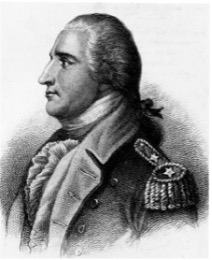
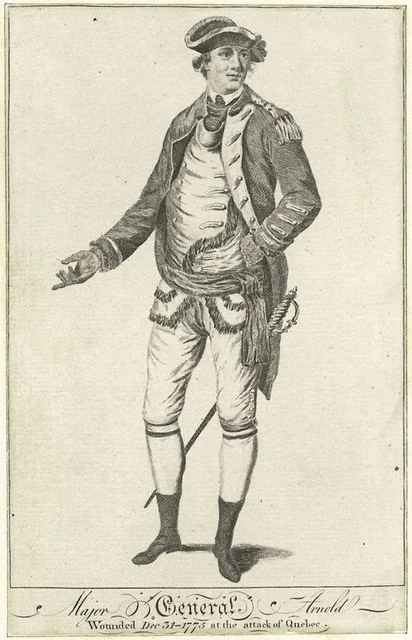
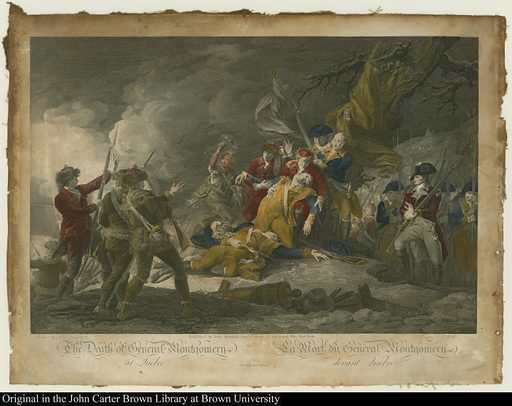
General Richard Montgomery advanced from Fort Ticonderoga, capturing key positions including Fort St. John’s and Montreal; meanwhile, The newly appointed Commander-in-Chief of the Continental Army, George Washington ordered Colonel Benedict Arnold to lead an overland expedition through Maine to Quebec City, where his reduced force joined Montgomery’s troops. Together, they attempted an assault on December 31, 1775, but the attack failed disastrously due to harsh winter conditions and strong defenses, resulting in Montgomery’s death, Arnold’s wounding, and heavy American losses.

On May 6, 1776, the American siege of Quebec collapsed once British reinforcements arrived, marking the end of the failed invasion of Canada. Simultaneously, British reinforcements arrived in Quebec, forcing American troops to retreat.

Meanwhile, in Virginia, the House of Burgesses in Williamsburg met for the last time, ending 157 years of legislative history, as colonial governance shifted toward revolutionary, independent conventions.


https://www.battlefields.org/learn/articles/american-revolution-faqs

https://www.battlefields.org/learn/maps/arnolds-expedition-quebec-city-sep-11-dec-31-1775

https://www.mountvernon.org/george-washington/revolutionary-war/250-years-ago-day

https://archive.org/details/adiscoursedeliv00griggoog

April 28, 1776

Fortifying Black Rock Harbor


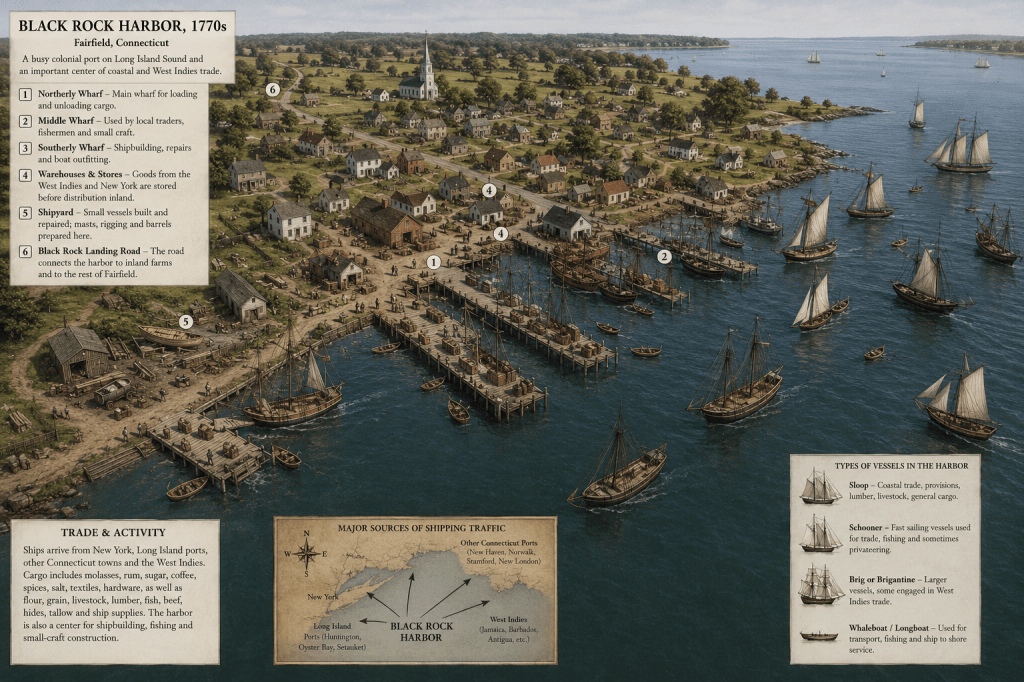
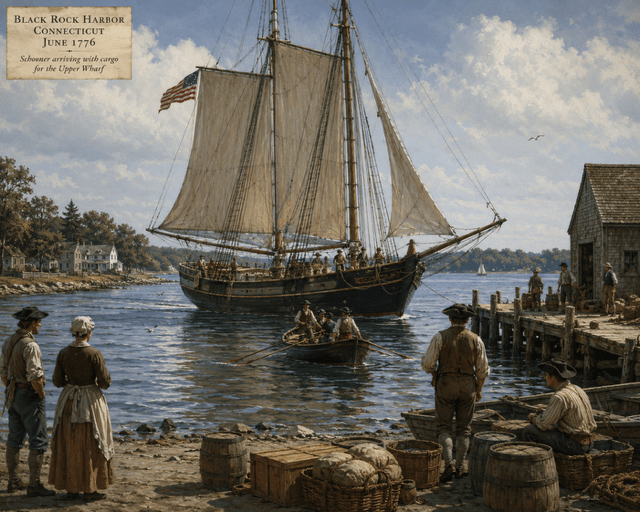
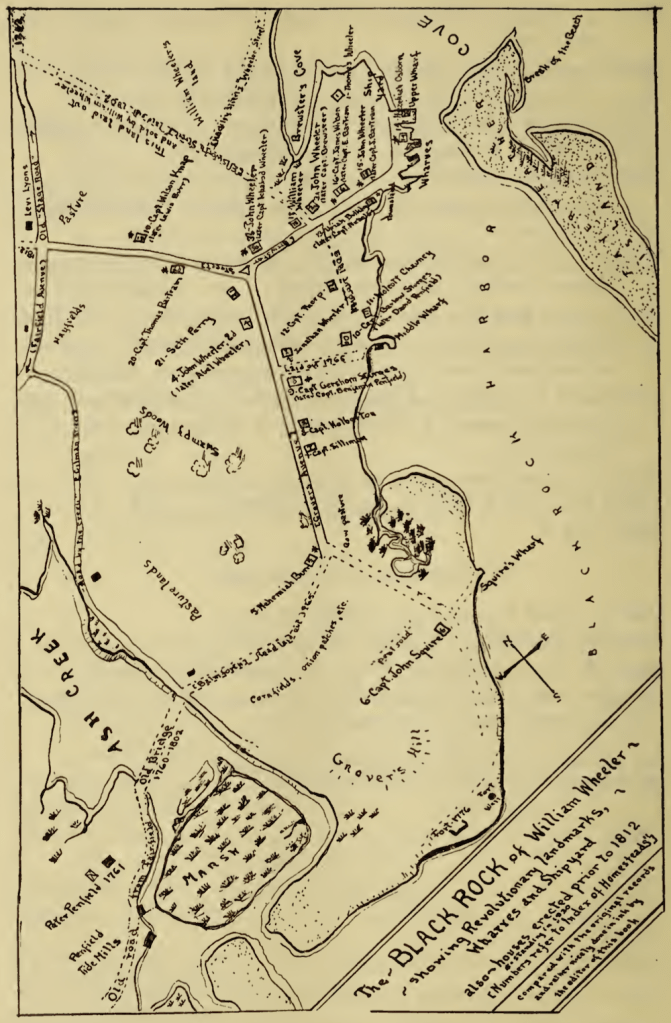
By 1775 , Black Rock Harbor had established itself as a primary shipping center for the Fairfield colony. The harbor offered a sheltered and deep channel for shipping, and their cargos had easy access to Kings Highway and the surrounding communities. In 1753, a bridge and road across Ash Creek were completed and created direct access to Fairfield Center. More importantly, the three wharves at the base of the harbor provided the infrastructure required for the maritime trading and ship building and maintenance activities.

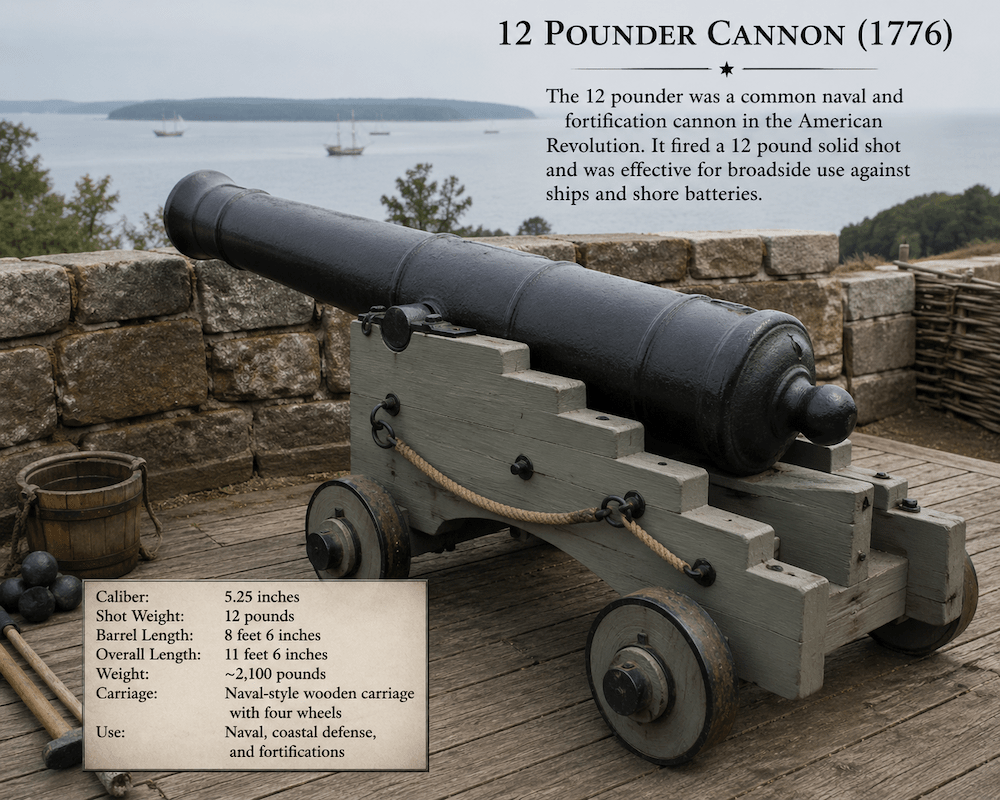
The Black Rock natives actively supported the colonial rebellion. By 1776, some members of the community had headed to Boston and New York to assist local militias who were facing British forces. The Black Rock maritime economy was also suffering from the closure of Boston and New York harbors. Recognizing the possibility of a British raid on its community, Thaddeus Burr and Gold Selleck Silliman approached the Connecticut Assembly in February 1776 and requested assistance in fortifying the harbor. This was ultimately approved by the Connecticut Council of Safety which authorized the construction and manning of a fort on Grovers Hill (often referred to as the Black Rock Fort). The fort was to be manned by a 25-man garrison overseen by one lieutenant and two sergeants. The initial construction and staffing were overseen by Lieutenant Jonathan Mills. Two 12 pounder cannons were later authorized to be mounted within the fort and thereby provide the firepower needed to defend the harbor entrance.

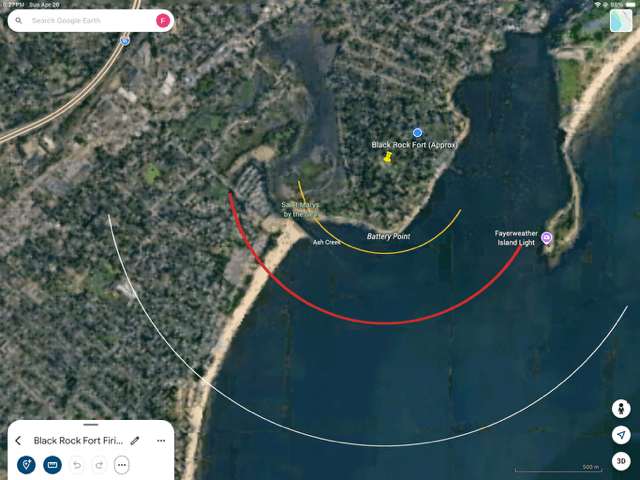
The 12 pounders could fire solid shot up to 1,600 meters (shown as a white arc on the accompanying map) but had an effective firing range of 900 meters (shown as a red arc) and 500 meters if the guns were firing cannister, which essentially converted them into large shot guns that would be employed if directly assaulted, (the yellow arc).

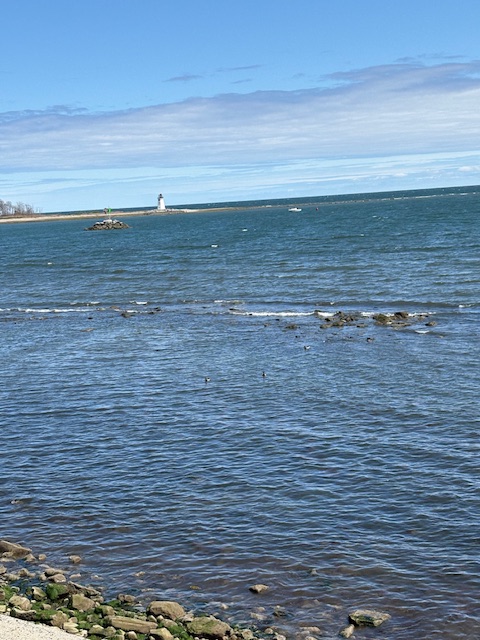
The fort’s location has been subject of debate as to whether it was located on the edge of the harbor or further up Grovers Hill. However, a strong argument could be made that it was located on the edge of the harbor at what is referred to as Battery Point. This location would have provided a clear field of fire for the cannon and would have been easily accessible by boat. In fact, there were no roads accessing this portion of the Black Rock peninsula at this time. The road terminated at the current corner of Balmforth Street and Grovers Avenue. Beyond this point were foot trails. Given that the barrel alone of a 12 pounder exceeded 2000 pounds and was approximately eight and a half feet long, it is most likely that the guns were delivered to the fort by boat and not dragged up the hill. It was not until 1779 that the two cannons were fired in anger at an invading force.

Sources:

Fairfield the biography of a community 1639 -1989 Farnam, Thomas J, Fairfield Historical Society, 1988

Black Rock Seaport of Old Fairfield Connecticut 1644-1870, Including the Journal of William Wheeler, resident of Black Rock 1762-1845, Pages of History gathered by Cornelia Penfield Lathrop, Tuttle, Morehouse & Taylor Company, New Haven, CT 1930

April 24, 1776

Connecticut – The “Provisions State”

With the exception of the raids along the coast and some British incursions into the interior, Connecticut remained free of major battles and was never occupied by the British. That, along with its rich farmland, meant the colony became a major supplier of food for Washington’s army.

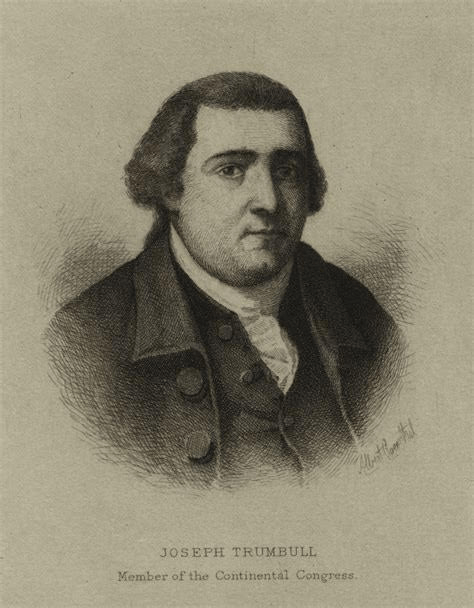
In 1775, Joseph Trumbull, son of the governor, was appointed commissary general and tasked with overseeing supplies to the troops. His effectiveness at carrying out his duties proved to be pivotal to the army’s success, as hunger was a constant problem. Encamped at Valley Forge during a notoriously brutal winter, Washington desperately appealed to Trumbull for cattle to feed his men. When that herd finally arrived, it was supposedly “devoured within five days.”

“For the war as a whole, Connecticut’s total contribution of supplies greatly surpassed what could be expected from a state of such small size and population and earned it the title of “the Provisions State.” – The Connecticut Society of the Sons of the American Revolution


April 20, 1776

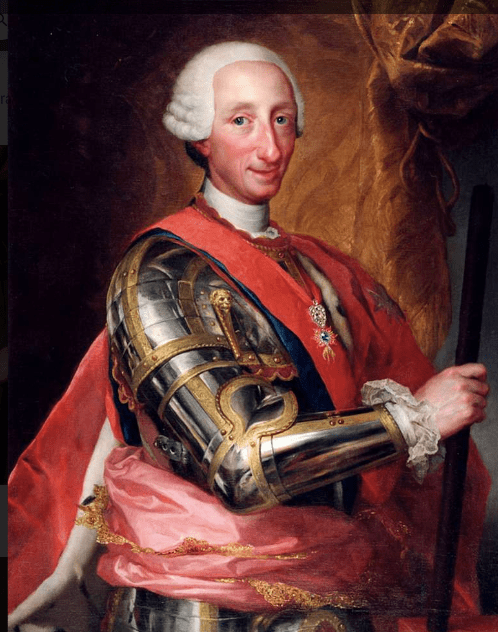
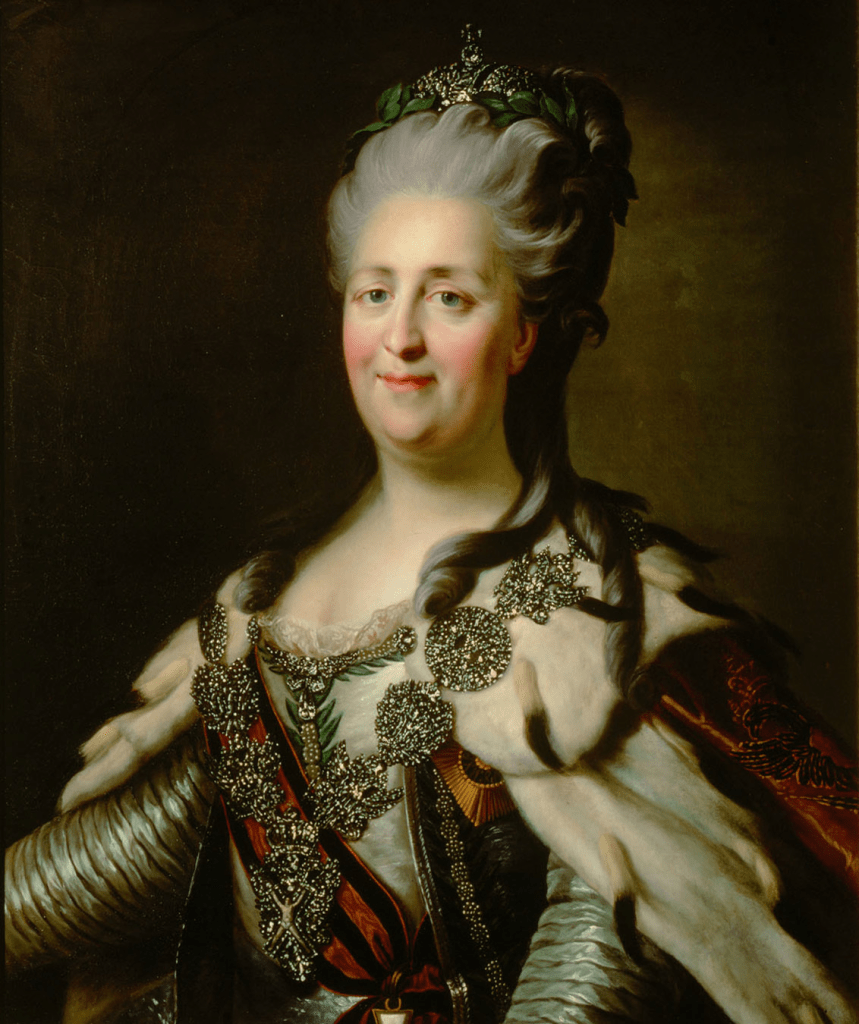
Between the growing rebellion in the American colonies and in his holdings in the Caribbean and elsewhere, King George grows worried that his army will be stretched too thin. He initially asks Catherine the Great of Russia to lend him a few thousand fighting men, but she turned him down with the excuse that she wouldn’t want anyone to think he couldn’t handle his own rebellions. Instead, George turns to the various states of Germany, and thus approximately 30,000 Hessians, from Hesse-Cassel and Hesse-Hanau, join the British to fight the rebelling colonists.

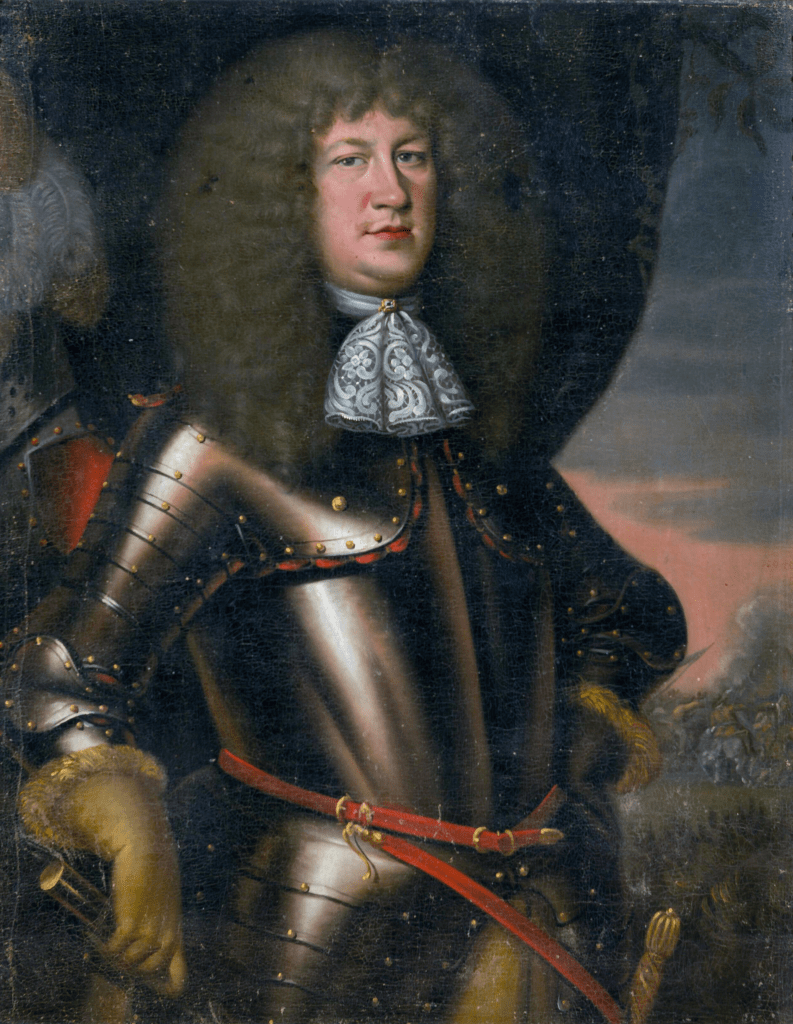
Described as “barbarous strangers” by writer and activist Mercy Warren of Massachusetts, the Hessians were actually landless, impoverished peasants rented to Britain by their landgrave, Frederick II. These soldiers were paid well, with the British doling out more money for Hessians who were killed rather than those wounded or captured.

Catherine the Great
Catherine the Great of Russia
Frederick II of Hesse-Cassel

April 16, 1776

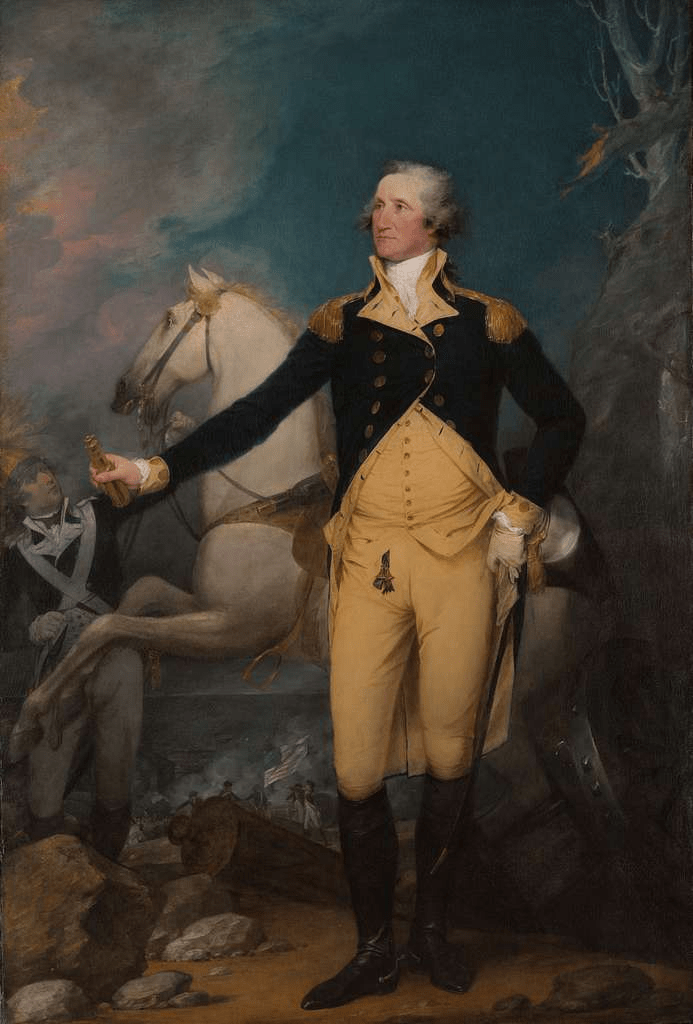
General George Washington issues a series of General Orders, one warning that British troops who had recently evacuated Boston could arrive in New York at any moment.

Washington urged engineers to speed up fortifications, with additional soldiers assigned to help complete defensive works as quickly as possible.


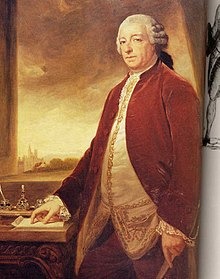
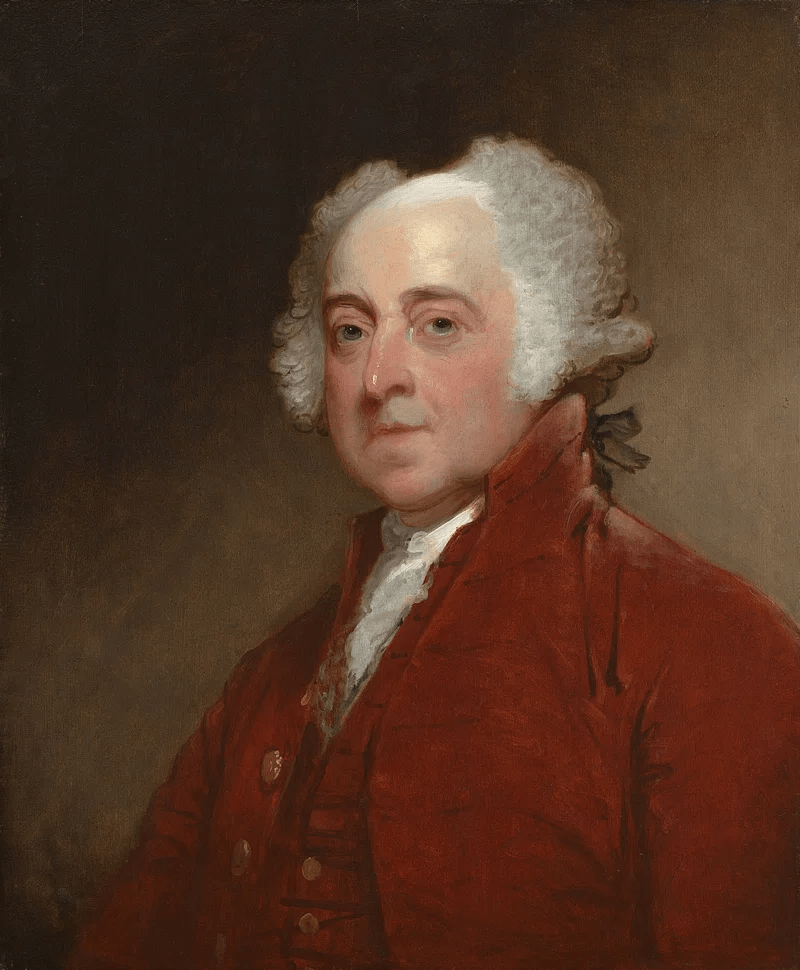
Also on this day, John Adams noted in his diary growing concern over reports of secret correspondence between the British government and Maryland’s royal governor, Robert Eden.

In response, the Continental Congress ordered officials to seize both the governor and his papers, fearing his actions could threaten American liberty. This underscores the mounting tensions and deepening mistrust as the colonies moved closer to independence.