The American invasion of Quebec from August 1775 to July 1776 was driven by colonial fears of the province as a cultural and military threat and a simultaneous belief that it should join a unified American nation.
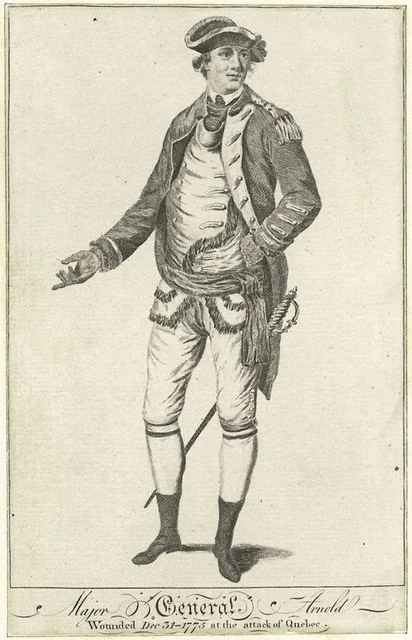
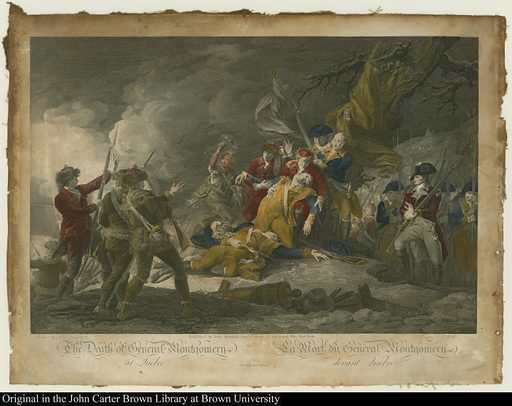
General Richard Montgomery advanced from Fort Ticonderoga, capturing key positions including Fort St. John’s and Montreal; meanwhile, The newly appointed Commander-in-Chief of the Continental Army, George Washington ordered Colonel Benedict Arnold to lead an overland expedition through Maine to Quebec City, where his reduced force joined Montgomery’s troops. Together, they attempted an assault on December 31, 1775, but the attack failed disastrously due to harsh winter conditions and strong defenses, resulting in Montgomery’s death, Arnold’s wounding, and heavy American losses.
On May 6, 1776, the American siege of Quebec collapsed once British reinforcements arrived, marking the end of the failed invasion of Canada. Simultaneously, British reinforcements arrived in Quebec, forcing American troops to retreat.
Meanwhile, in Virginia, the House of Burgesses in Williamsburg met for the last time, ending 157 years of legislative history, as colonial governance shifted toward revolutionary, independent conventions.
https://www.battlefields.org/learn/articles/american-revolution-faqs
https://www.battlefields.org/learn/maps/arnolds-expedition-quebec-city-sep-11-dec-31-1775
https://www.mountvernon.org/george-washington/revolutionary-war/250-years-ago-day
 Black Rock Community Council History Program