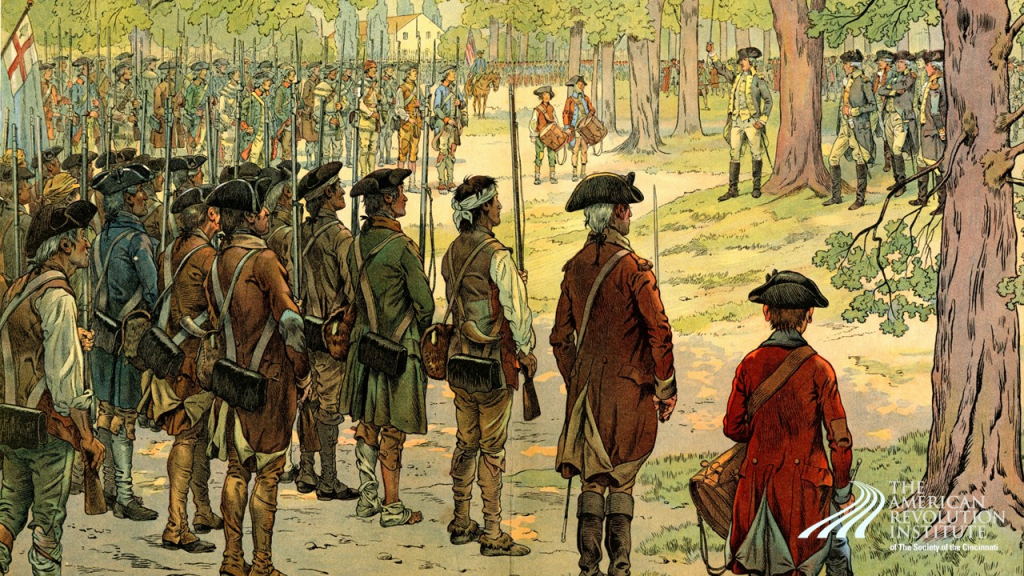
The British evacuation of Boston began on Sunday, March 17th sailing their forces to their naval base on Nova Scotia. General Washington made the decision to move his newly formed army to fortify New York City and, particularly, to establish control of the Hudson River. He correctly predicted that this would also be the goal of the British forces. The colonial exodus from Boston began in April of 1776.
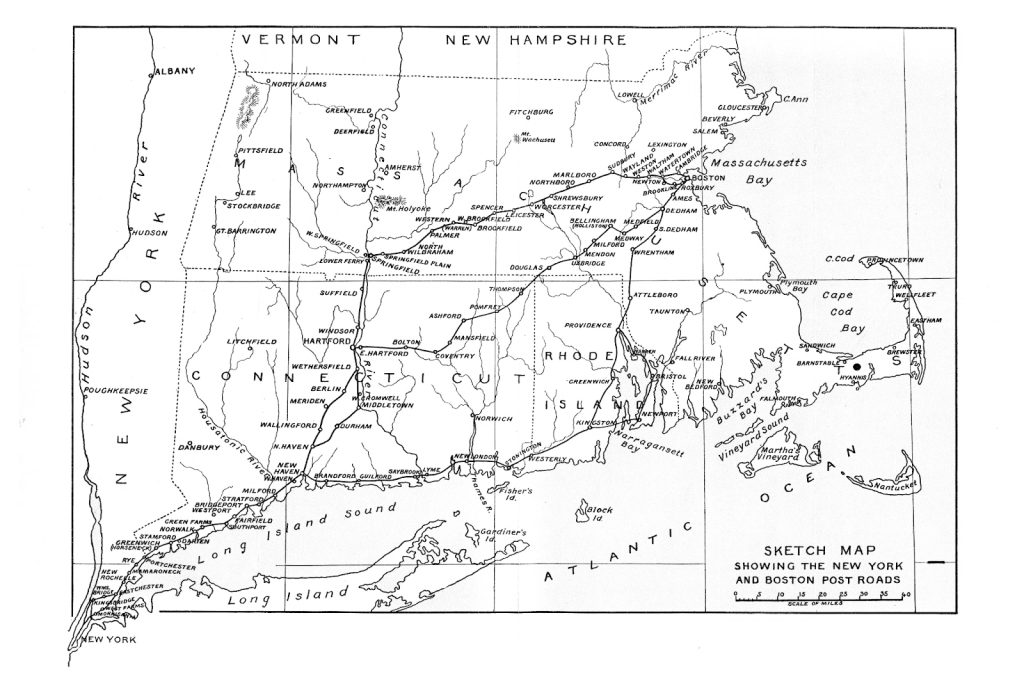
Lacking the ships that the British had (Abigail Adams counted 170), Washington was forced to move his army over one of the branches of what were then known as the Post Roads. According to Patricia Q. Wall, in her book, Of Life & The American Revolution- The Journals of Joseph Knap of Stratford, CT 1761-1808, Governor Trumbull (the only colonial governor loyal to the patriot cause), requested that the troops follow the coastal road so that they may protect the colony should the enemy make any attempt to attack Connecticut.
The march would have been difficult and slow. Quill writes that in perfect weather, they could have expected to cover about twenty miles. But conditions were never this good as rain, and even snow, would have slowed their progress. For Fairfield (and Black Rock), the troops would have marched along what is today King’s Highway past where today we find Stop and Shop and then through the center of Fairfield on their way to Norwalk, and ultimately Brooklyn and Manhattan.
Residents living in this area in April of 1776 would surely have been busy supplying these troops with a host of provisions including food, shelter for some, firewood, hay for their horses, repairs for their wagons and much more. This must have been a very busy and tense time for these residents as the war, which had begun a year earlier, was quickly moving to their doorstep.
 Black Rock Community Council History Program