Celebrating America’s 250th!

The “Road to the Signing” will continue to July 4th (and beyond). A dedicated group of history enthusiasts from the BRCC History Committee will chronicle daily happenings in Philadelphia, London, Black Rock and wherever the story leads us.

By April of 1776, much had occurred in the colonies that would forever change the course of history. We were one year removed from the shots fired at Lexington and Concord, George Washington had taken control of the fledgling Continental Army and the British had evacuated Boston and headed to Nova Scotia leading Washington to move his army to New York City in anticipation of a British offensive

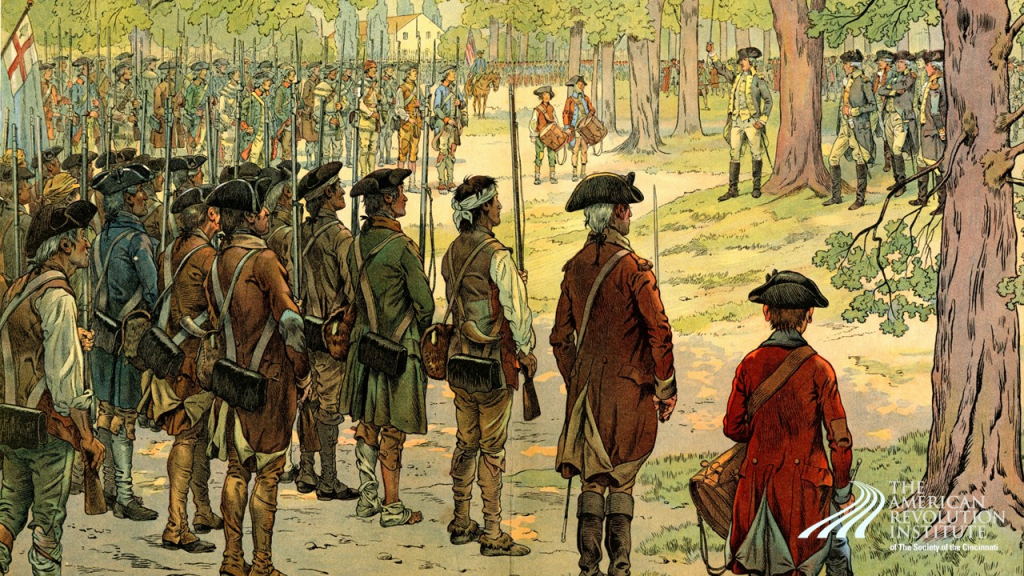
Locally, militias were actively training (many of whom had already joined the war effort) and, Connecticut was busy assembling supplies to support the cause ultimately giving our state the nickname of the “Provision State”.

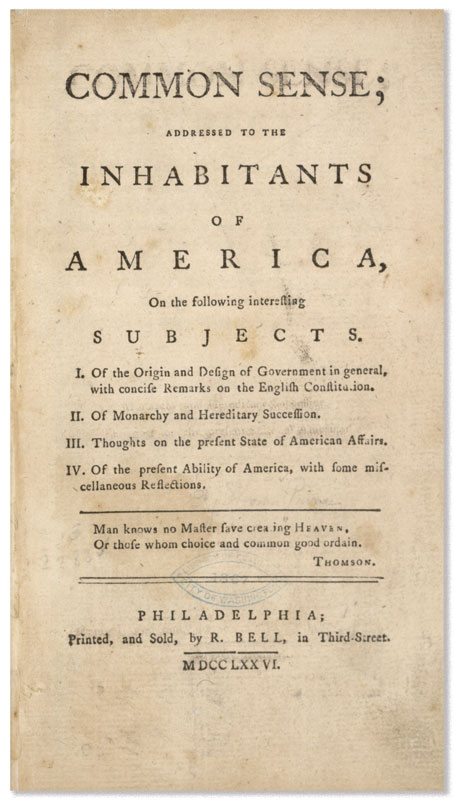
And it must not be overlooked that in January of 1776, Thomas Paine published Common Sense, an incredibly persuasive piece of writing arguing for complete separation from England and independence, not measures needed for reconciliation. Its influence was widespread and served to change the minds of many colonists and helped to inspire the troops.

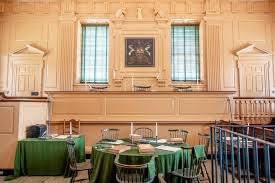
Meanwhile, in Philadelphia, delegates were still months away from considering the radical move of complete separation and independence.

We will begin to provide a summary of key events leading to this “radical move” in the days and weeks ahead. Follow us and stay tuned as we tell this fascinating story and celebrate the 250th anniversary of our nation’s founding.

April 15, 1776

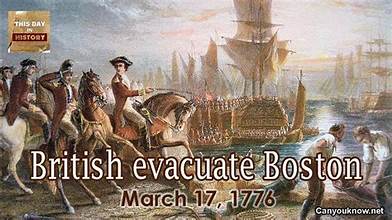
The British evacuation of Boston began on Sunday, March 17th sailing their forces to their naval base on Nova Scotia. General Washington made the decision to move his newly formed army to fortify New York City and, particularly, to establish control of the Hudson River. He correctly predicted that this would also be the goal of the British forces. The colonial exodus from Boston began in April of 1776.

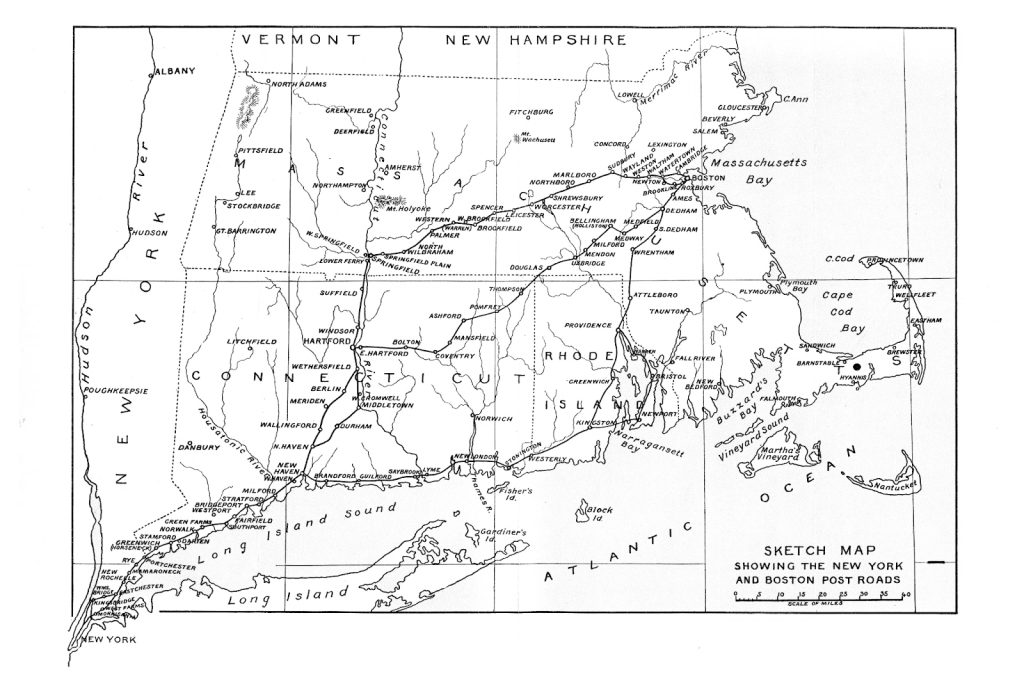
Lacking the ships that the British had (Abigail Adams counted 170), Washington was forced to move his army over one of the branches of what were then known as the Post Roads. According to Patricia Q. Wall, in her book, Of Life & The American Revolution- The Journals of Joseph Knap of Stratford, CT 1761-1808, Governor Trumbull (the only colonial governor loyal to the patriot cause), requested that the troops follow the coastal road so that they may protect the colony should the enemy make any attempt to attack Connecticut.

The march would have been difficult and slow. Quill writes that in perfect weather, they could have expected to cover about twenty miles. But conditions were never this good as rain, and even snow, would have slowed their progress. For Fairfield (and Black Rock), the troops would have marched along what is today King’s Highway past where today we find Stop and Shop and then through the center of Fairfield on their way to Norwalk, and ultimately Brooklyn and Manhattan.

Residents living in this area in April of 1776 would surely have been busy supplying these troops with a host of provisions including food, shelter for some, firewood, hay for their horses, repairs for their wagons and much more. This must have been a very busy and tense time for these residents as the war, which had begun a year earlier, was quickly moving to their doorstep.

April 7, 1776

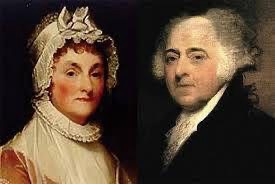
In May 1776, the American Congress bid each colony to form new governments, since British rule had basically collapsed. Sitting in Philadelphia with the American Congress, John Adams received the letter written the previous month from his wife, Abigail, which would go on to be often-quoted over the years:

“I long to hear that you have declared an independency, and by the way in the new Code of Laws which I suppose it will be necessary for you to make I desire you would Remember the Ladies, and be more generous and favourable to them than your ancestors.” She cautioned him not to “put such unlimited power into the hands of Husbands…Remember all Men would be tyrants if they could.”

Less well known is what she added later: “If particular care and attention is not paid to the Ladies, we are determined to foment a Rebelilon, and will not hold ourselves bound by any Laws in which we have no voice, or Representation.”

If only we could have been there when she received John’s answer:
“As to your extraordinary Code of Laws, I cannot but laugh,” he wrote, adding that he blamed the British for inflaming everyone from Tories to Bigots, Canadians to Indians and Russians and “Roman Catholicks.” As well as women, he implied.

April 3, 1776

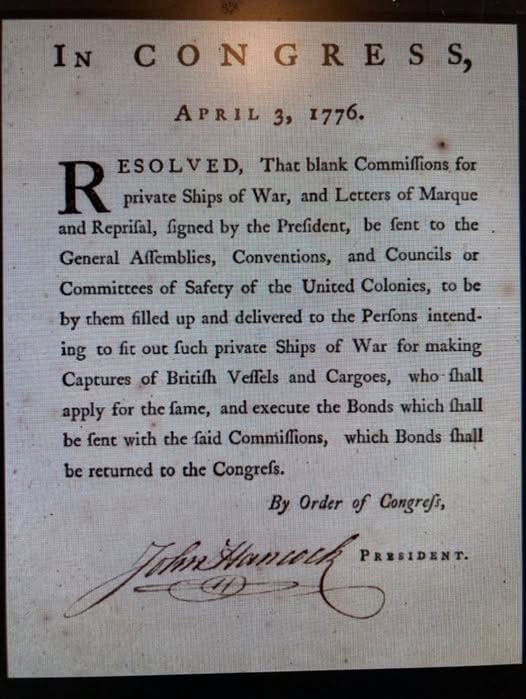
The Continental Congress opened its session in Philaselphia for the day and spent most of the morning attending to “war business”- referring a letter from General Washington to committee, payment for supplies, military matters, etc.

They then spent the remainder of this session establishing the rules of engagement for privateering and providing authority to the various leaders and committees of the colonies for the issuance of “letters of marque”.

Letters of marque were issued to commanders of boats providing them permission to attack British ships- both military and merchant. Rules were established for engagement and the distribution of valuable cargo seized at sea. This practice was a more civilized form of piracy, but with only an infant navy, this measure was deemed critical by the Continental Congress as war efforts intensified.

For Black Rock and other seaports along the coast, privateering became a common practice throughout the war. Among notable privateers who sailed out of Black Rock Harbor were Caleb Brewster and Samuel Smedley.

Once finished with this matter, Congress adjourned until 10:00 the next morning, April 4th, 1776.